

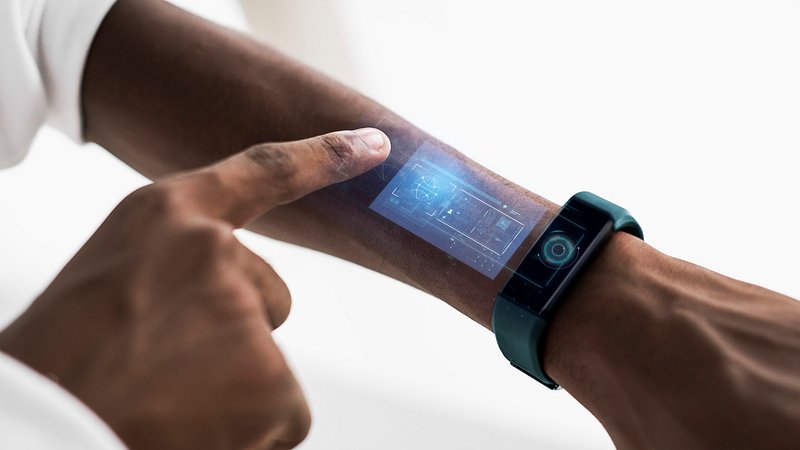
The ubiquitous smartwatch and fitness tracker represent only the visible tip of the iceberg in the vast, rapidly expanding domain of wearable technology. What began as simple pedometers and novelty gadgets has swiftly evolved into a complex, integrated ecosystem of devices, clothing, and even ingestibles that are fundamentally reshaping industries far removed from the consumer wellness market. This transformation is driven by breakthroughs in sensor miniaturization, advanced material science, and the power of Artificial Intelligence (AI) to extract meaningful, actionable insights from continuous biometric data.
Wearable technology is currently shifting its focus from “quantified self”—counting steps and tracking sleep—to “quantified enterprise” and “quantified healthcare.” This strategic pivot unlocks enormous potential for revenue generation, operational efficiency, and, most critically, the future of personalized, proactive health management.
This exhaustive analysis delves deep into the non-consumer applications of wearable technology, exploring its disruptive role in industrial safety, clinical diagnostics, augmented reality interfaces, and beyond, detailing the technological complexity and the immense market opportunities that lie far beyond the wrist.
The Revolution in Clinical-Grade Healthcare
The most significant and financially impactful evolution of wearable technology is its integration into the formal healthcare and medical domain. This shift is turning reactive sick-care into proactive preventative care, promising massive cost savings and improved patient outcomes.
1. Remote Patient Monitoring (RPM) and Diagnostics
Wearables are moving from consumer-grade “wellness” devices to FDA-cleared medical-grade diagnostics capable of providing continuous, clinical-quality data outside the hospital setting.
A. Continuous Physiological Monitoring: Advanced wearables are now capable of monitoring complex physiological signals, providing continuous data streams that a doctor previously could only obtain during a brief, expensive office visit:
- Continuous ECG/EKG Monitoring: Devices integrated into patches, clothing, or small rings can monitor cardiac rhythm for days or weeks, allowing for the detection of intermittent arrhythmias like atrial fibrillation (AFib) that are easily missed during a standard single-point ECG.
- Non-Invasive Glucose Monitoring: The holy grail for diabetes management, highly accurate non-invasive glucose sensors (currently in advanced development, often integrated into smart patches or watches) promise to eliminate the pain and inconvenience of finger-prick testing, leading to far better adherence and management of the chronic condition.
- Blood Pressure and Hydration: Wearable sensors that measure pulse transit time (PTT) and bioimpedance are enabling continuous, cuff-less blood pressure and hydration monitoring, crucial for patients with hypertension or kidney issues.
B. Predicting and Managing Chronic Diseases: AI algorithms ingest continuous data from RPM wearables and utilize machine learning to identify subtle deviations that precede a major health event. This shifts the model from detection to prediction:
- Heart Failure Prediction: Subtle changes in sleep, weight, and heart rate variability (HRV) can predict an impending heart failure exacerbation days before symptoms appear, allowing clinicians to intervene with medication adjustments, thus avoiding costly emergency room visits.
- Neurological Monitoring: Wearable sensors embedded in socks, clothing, or even smart earbuds can track micro-movements, gait, and tremors, providing invaluable, objective data for monitoring the progression of diseases like Parkinson’s and Multiple Sclerosis.
C. Rehabilitation and Therapy Adherence: In physical therapy and post-operative care, wearables integrated into braces or clothing provide real-time feedback and objectively measure patient compliance and progress. This ensures patients perform exercises correctly, accelerating recovery and reducing the need for costly, supervised in-person sessions.
Wearables in the Enterprise and Industrial Sector
The immediate financial return on investment (ROI) for wearable technology is most pronounced in the industrial, manufacturing, and logistics sectors, where these devices directly enhance productivity, safety, and operational precision.
2. Enhancing Worker Safety and Productivity
Industrial-grade wearables are rugged, purpose-built devices that address core enterprise challenges: reducing workplace accidents and maximizing hands-free efficiency.
A. Smart Helmets and Safety Gear: In dangerous environments like mining, construction, and oil and gas, specialized helmets and vests are equipped with multi-functional sensors:
- Environmental Monitoring: Sensors detect toxic gases (methane, carbon monoxide), temperature extremes, and excessive noise levels, alerting workers before they enter a hazardous zone.
- Collision Avoidance: Integrated GPS and ultra-wideband (UWB) chips create proximity alerts to warn workers about approaching heavy machinery or moving vehicles, drastically reducing site accidents.
- Impact and Fall Detection: Accelerometers and gyroscopes detect hard falls or impacts, automatically sending an emergency alert with precise GPS coordinates to the safety manager, critical for solo workers in remote areas.
B. Augmented Reality (AR) Smart Glasses for Industry: AR glasses are transforming complex manual tasks by providing workers with hands-free, contextual information overlayed directly onto their field of view.
- Guided Assembly and Maintenance: A technician can see step-by-step assembly instructions, wiring diagrams, or part identification overlaid on a machine, eliminating the need to consult manuals and reducing assembly time and errors.
- Remote Expert Assistance: A field technician encountering a complex failure can connect with a remote expert who can draw, highlight, and annotate the technician’s real-time view, effectively guiding them through the repair process without traveling to the site. This dramatically reduces equipment downtime.
C. Workforce Fatigue and Biometric Monitoring: In logistics, transportation, and long-haul trucking, monitoring worker fatigue is crucial for public safety. Wearable wristbands or rings track sleep quality, heart rate variability, and cognitive load to provide alerts when a worker’s focus drops below a safe threshold, mitigating accidents caused by driver fatigue. This preventative measure has immense insurance and liability benefits for large corporations.
 Beyond the Body: Smart Apparel and Advanced Interfaces
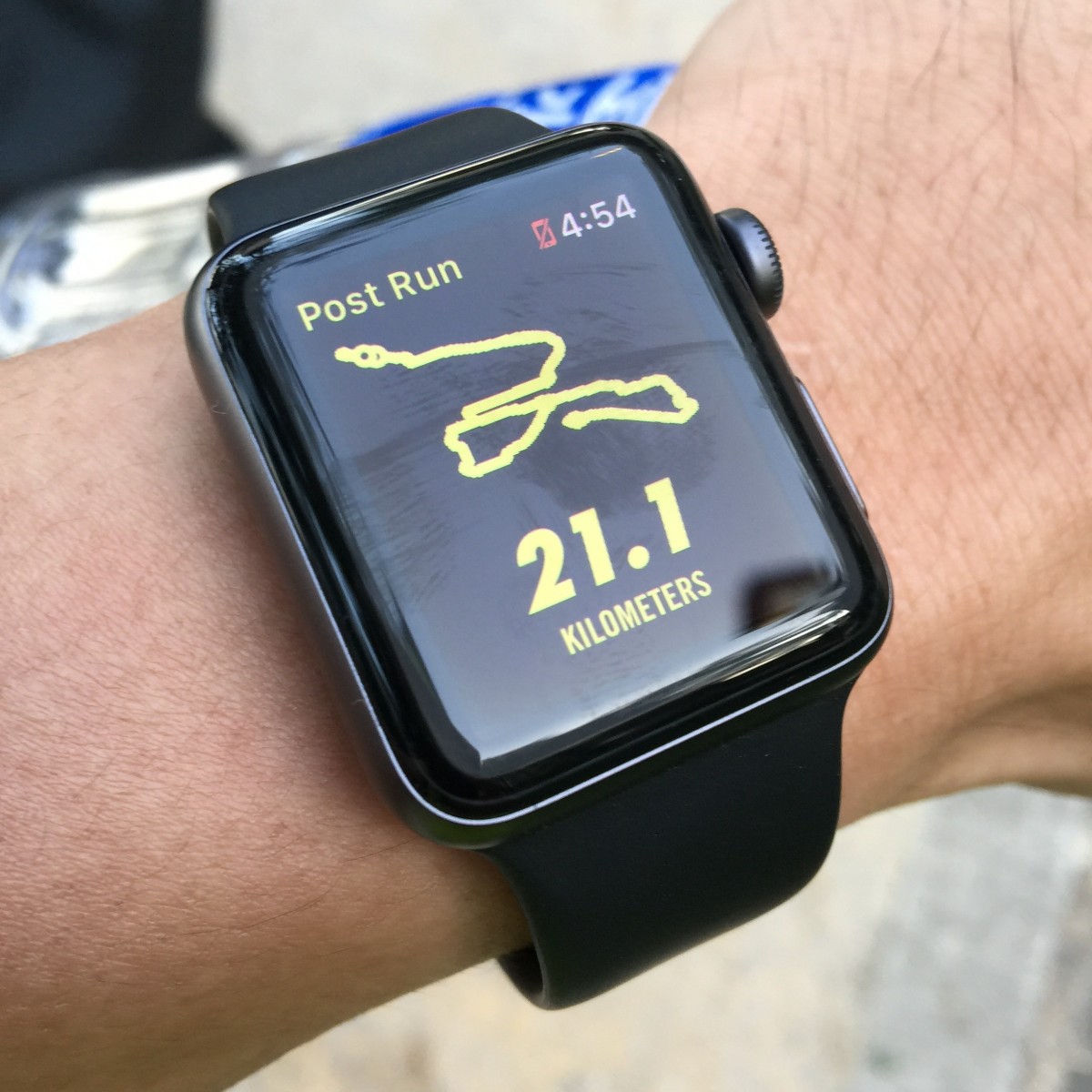 Beyond the Body: Smart Apparel and Advanced Interfaces
The next generation of wearables moves beyond discrete devices to integrate seamlessly into everyday objects and clothing, offering superior comfort, fidelity, and continuous data collection.
3. Smart Textiles and E-Skin Applications
The future is in e-textiles—fabrics woven with sensors and conductive fibers—and flexible electronic patches that adhere directly to the skin.
A. Seamless Data Collection via Smart Clothing: Smart shirts, socks, and underwear embed textile-based electrodes to monitor vital signs over large body areas with high fidelity.
- Professional Sports Performance: Athletes wear smart compression gear that tracks muscle strain, hydration, biomechanical load, and temperature regulation, providing coaches with real-time data to optimize training intensity and prevent injury before it occurs.
- Elderly and Child Monitoring: Smart pajamas or socks can monitor heart rate, breathing patterns, and movement for at-risk groups without the discomfort of traditional medical straps or devices, making long-term monitoring passive and reliable.
B. Electronic Tattoos and Flexible Patches: These ultra-thin, adhesive patches or electronic tattoos (e-skin) are almost invisible and can be worn for weeks, offering superior accuracy because they maintain continuous, close contact with the skin.
- Continuous Drug Delivery: Patches can monitor biomarkers and simultaneously deliver precise, personalized doses of medication (e.g., insulin) in a closed-loop system, combining diagnostic sensing with therapeutic action.
- Diagnostic Biomarkers: E-skin sensors are being developed to analyze sweat for chemical biomarkers, tracking metabolites, electrolytes, and drug levels with greater accuracy than current consumer devices.
4. Neuroscience, Cognition, and Human-Machine Interface
Wearables are beginning to measure brain activity and cognitive load, opening up applications in mental health, focused learning, and new forms of interaction.
A. Neuro-feedback and Focus Training: Headbands and specialized earbuds equipped with Electroencephalography (EEG) sensors measure brainwave activity. These devices are used in corporate training and education to provide real-time feedback to users on their level of focus and meditation, helping improve attention span and cognitive performance.
B. Biometric Authentication and Access: The unique combination of a person’s gait, heart rhythm, and thermal signature—all trackable via advanced wearables—is being developed as a highly secure, continuous form of authentication. Unlike passwords or simple biometrics (like fingerprints), this continuous, passive authentication ensures that the person wearing the device is the only one authorized to access high-security systems, minimizing the threat of credential theft and enhancing enterprise data security.
Market Dynamics, Challenges, and Future Growth Drivers
The wearable tech market’s shift towards professional and medical applications introduces distinct financial challenges and enormous revenue opportunities far exceeding the saturated consumer fitness niche.
5. Market Economics and Revenue Models
The enterprise and clinical wearable markets allow for high-value, recurring revenue streams, moving away from single-device sales.
A. Data Subscription and Service Models: In B2B applications (e.g., industrial safety, RPM), the revenue model is not the sale of the device itself but the subscription fee for the continuous data stream, AI analytics, and alert services. This creates a highly stable, predictable annual recurring revenue (ARR) stream for manufacturers, which is highly prized by investors.
B. Insurance and Reimbursement Adoption: As RPM devices gain FDA clearance, their usage becomes eligible for insurance reimbursement and inclusion in Medicare/Medicaid programs. This acceptance is the single largest driver of growth in the medical wearable space, guaranteeing payment for monitoring services and legitimizing the technology within the traditional healthcare system.
C. Intellectual Property (IP) and Regulatory Barriers: The barrier to entry in the medical and professional wearable space is extremely high, requiring rigorous clinical trials, FDA approval, and extensive patents on sensor technology and algorithms. This heavy regulatory hurdle is a significant challenge but ultimately protects established players and leads to a high-value, defensible market position.
6. Critical Challenges: Data Integrity, Privacy, and Interoperability
The massive volume of sensitive data collected by wearables introduces profound ethical and technical challenges that must be addressed for mainstream adoption.
A. Data Security and Privacy Concerns (HIPAA/GDPR): Collecting continuous health and location data is intrusive. Wearable manufacturers must adhere to strict global regulations like HIPAA (in the US) and GDPR (in Europe). Ensuring data is fully encrypted, anonymized, and stored securely requires massive investment, but failure to do so results in catastrophic regulatory fines and loss of public trust.
B. Sensor Accuracy and Clinical Validation: For a wearable to be useful in a professional or clinical setting, its data must be as reliable as traditional medical equipment. Manufacturers must invest heavily in clinical validation and transparency regarding sensor accuracy and limitations, ensuring the data is trusted by doctors, engineers, and safety officers alike.
C. Interoperability and Ecosystem Integration: Data from disparate wearable devices (e.g., a smart ring, a smart patch, and a smart helmet) must be able to communicate seamlessly with existing Electronic Health Records (EHR) systems, industrial control systems (ICS), and cloud-based analytical platforms. Standardization and interoperability are massive ongoing challenges that slow enterprise-wide deployment.
Conclusion
The trajectory of wearable technology is clear: it is moving away from a visible, wrist-based accessory to become a seamlessly integrated, context-aware layer of human-computer interaction. The real value is no longer in the gadget itself, but in the continuous, AI-analyzed data stream it generates—a stream that is actively optimizing surgical procedures, preventing industrial accidents, personalizing medicine, and securing identity.
For investors, strategists, and content creators, the focus must shift entirely to the high-stakes, high-revenue domains of B2B industrial safety, clinical remote patient monitoring, and augmented reality interfaces. These sectors offer predictable, defensible revenue models driven by regulatory compliance, cost reduction, and life-saving capabilities, positioning wearable technology as one of the most transformative digital health and enterprise technologies of the coming decade. The era of the “smart accessory” is yielding to the age of the “intelligent system”—an essential evolution that secures the industry’s immense economic future.