

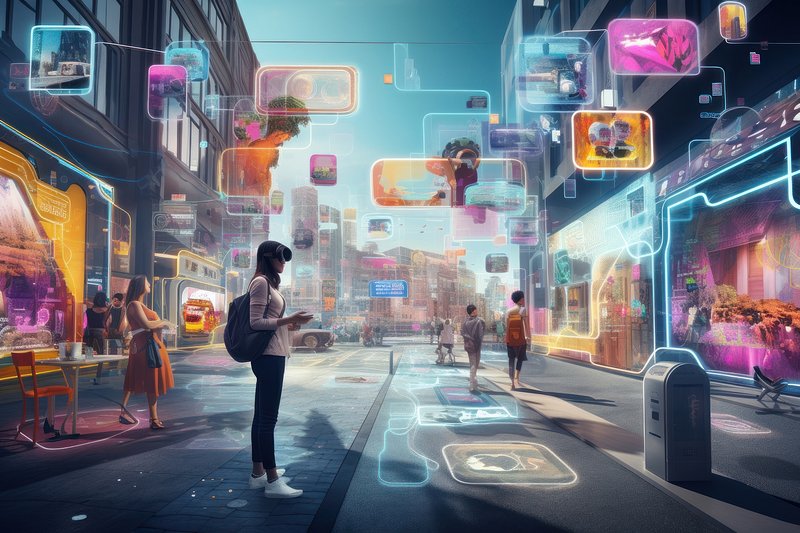
The Metaverse’s Seismic Shift on Social Interaction
The concept of the Metaverse—a persistent, shared, three-dimensional (3D) virtual space—represents far more than a simple technological upgrade; it is the impending, seismic shift in how humanity will interact, socialise, and transact online. Built upon a convergence of technologies like Virtual Reality (VR), Augmented Reality (AR), Artificial Intelligence (AI), and blockchain, the Metaverse is rapidly transitioning from science fiction to an emerging reality that promises to redefine the social landscape currently dominated by two-dimensional (2D) social media platforms. The influence is no longer theoretical; it is a palpable force reshaping communication, commerce, and community building, with profound implications for individuals, brands, and society at large.
The foundational shift is from consuming content about other people’s lives to experiencing life with them in a shared, digital space. Current social media offers a curated, asynchronous feed of updates, photos, and texts. The Metaverse, conversely, offers real-time, synchronous, and immersive presence through avatars, turning ‘scrolling’ into ‘stepping inside.’ This monumental change necessitates a comprehensive examination of the underlying technologies, the new forms of social engagement it fosters, the economic opportunities it unlocks, and the critical societal challenges it presents.
The Technological Pillars Underpinning the Metaverse’s Social Evolution
The transition to a truly immersive, widespread Metaverse is facilitated by the continuous and rapid advancement of several core technological components. These elements collectively transform the flat-screen experience of traditional social media into a depth-filled, interactive reality.
A. Virtual Reality (VR) and Augmented Reality (AR) Hardware: VR and AR devices—from head-mounted displays (HMDs) like the Meta Quest and Apple Vision Pro to sophisticated AR glasses—are the essential interfaces. They enable users to move beyond merely viewing a screen to physically inhabiting a virtual environment or having digital elements seamlessly integrated into their real-world view. This hardware is crucial for achieving the sense of ‘presence’—the feeling of truly being there—which is the cornerstone of the Metaverse’s social appeal. Advancements in haptic feedback (touch) and olfactory technology (smell) hint at a future where multisensory social interactions become the norm.
B. Blockchain and Decentralisation: Decentralised technologies, including blockchain and Non-Fungible Tokens (NFTs), introduce the critical elements of digital ownership and interoperability. This is a fundamental divergence from traditional social media, where platform owners control all content and data. In the Metaverse, users can own their virtual assets (e.g., land, clothing, art) as NFTs. This ownership empowers the individual, fostering a creator economy and enabling a potential future where users can seamlessly move their digital identities, assets, and value across different virtual worlds without being tied to a single corporate entity.
C. Spatial Computing and AI Integration: Spatial computing allows digital objects to understand and interact with the physical world, creating the foundation for believable AR and VR experiences. Artificial Intelligence enhances this realism significantly. AI algorithms are used to power highly realistic, dynamic, and expressive Non-Player Characters (NPCs) and ‘A-Avatars’ (AI-driven avatars) that can fill virtual worlds, facilitating richer, more complex social interactions. Furthermore, AI-driven analytics will be paramount for understanding complex 3D user behaviour, informing everything from content recommendations to targeted virtual advertising.
D. High-Speed Connectivity and Edge Computing: The requirement for real-time, low-latency interaction in a persistent 3D world demands significantly more bandwidth than traditional social media. The widespread deployment of 5G and future 6G networks, coupled with edge computing—processing data closer to the user—is essential to minimise lag and ensure that hundreds, or even thousands, of users can simultaneously inhabit a single virtual space with minimal friction.
The Fundamental Transformation of Social Engagement
The Metaverse will not merely change social media; it will fundamentally transform the nature of social interaction itself, offering levels of nuance and immersion previously unattainable in the digital sphere.
A. Enhanced Sense of Presence and Empathy: The use of photorealistic or highly expressive avatars and spatial audio creates an unprecedented sense of co-location. When two avatars are ‘standing’ next to each other, speaking, the spatial audio mimics real-world acoustics, and non-verbal cues (such as body language and head movements) become visible. This sense of ‘presence’ fosters greater empathy, reducing the sense of detachment often associated with 2D interactions and leading to more meaningful, authentic connections.
B. The Blurring of Social, Work, and Play: Traditional digital platforms segregate activities: LinkedIn for work, Instagram for lifestyle, Discord for gaming. The Metaverse is designed for convergence. A user might transition seamlessly from a virtual team meeting in a digital office to attending a live concert in a virtual stadium, and then to a private social gathering in a friend’s digital home, all within the same interconnected ecosystem, using the same avatar and identity. This holistic integration mirrors real-life more closely and embeds social interaction deeper into daily digital activities.
C. New Avenues for Community Building: Metaverse communities move beyond shared interests (like a Facebook group) to shared experiences (like attending a concert or collaboratively building a digital city). Platforms like Decentraland, The Sandbox, and Roblox are already home to thriving micro-communities that unite around specific virtual land, in-game assets, or collaborative creative projects. This depth of engagement fosters powerful bonds and intense loyalty, offering new models for brand-community interaction.
D. The Rise of the Virtual Event Economy: The Metaverse is poised to become the ultimate venue for large-scale social events, from educational conferences and corporate training to music festivals and product launches. Virtual events eliminate geographical limitations, enabling truly global participation with a dramatically reduced logistical and environmental footprint. Brands are already capitalising on this, hosting virtual storefronts and exclusive ‘meta-experiences’ that combine retail with entertainment and socialisation.
Economic and Creative Opportunities for the Creator Economy
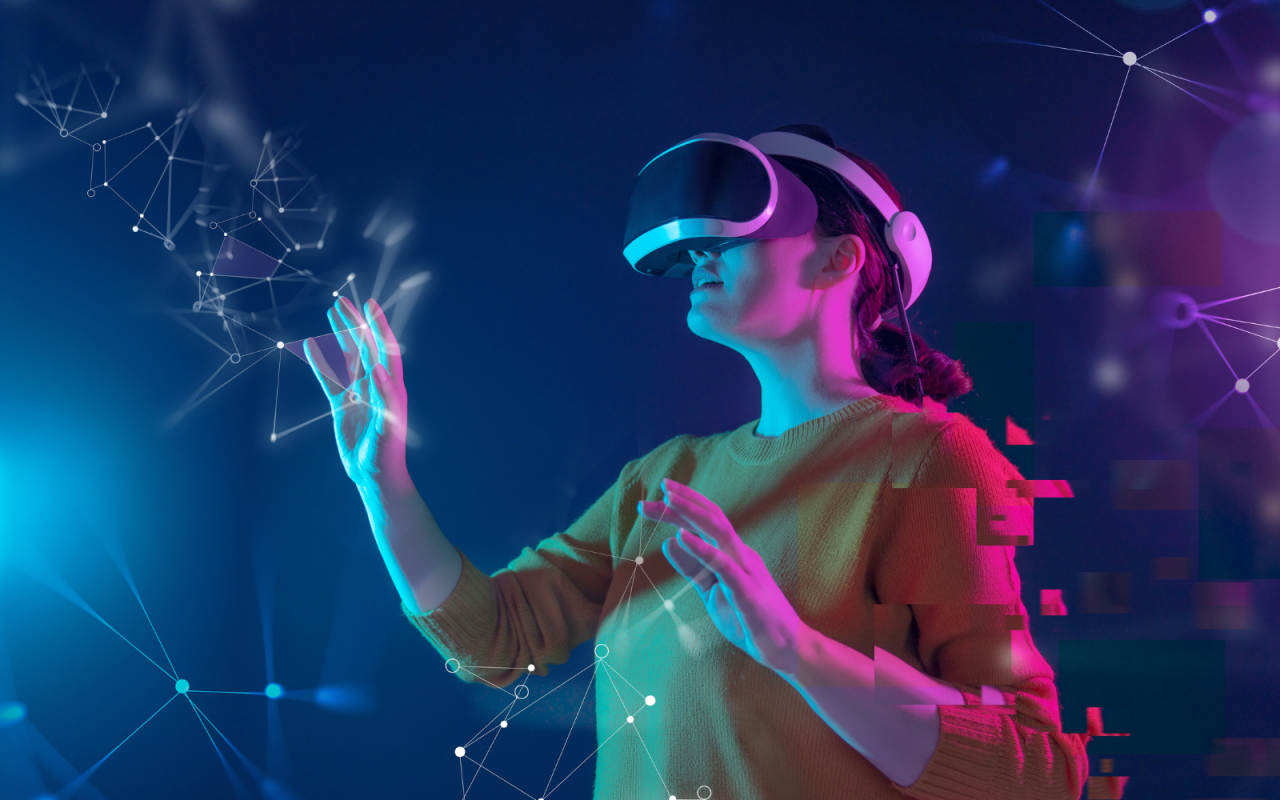
The Metaverse is establishing a new paradigm for digital commerce and content creation, one that significantly empowers the individual creator in ways that traditional social platforms often restrict.
A. Monetisation Through Digital Ownership (NFTs): Creators can design and sell digital fashion, virtual real estate, avatar accessories, and interactive experiences, leveraging NFTs to guarantee authenticity and transfer ownership. This shift moves revenue generation away from solely ad-supported models to direct peer-to-peer economic activity, offering creators significantly higher earning potential and greater control over their intellectual property.
B. The ‘Work-Social’ Fusion in the Metaverse: The rise of virtual workspaces demonstrates how professional and social lives will merge. Teams can collaborate in shared 3D environments, which, through spatial audio and realistic avatar interaction, mimic the dynamics of a physical office more effectively than a 2D video call. This facilitates remote work that feels less isolated and more socially connected, potentially revolutionising global business operations.
C. Brand Engagement and Experiential Marketing: Brands are moving beyond banner ads and sponsored posts to develop immersive brand worlds. For example, a sports brand might build a virtual stadium where users can interact with athletes’ avatars, purchase virtual merchandise, and participate in challenges. This experiential marketing is inherently more social and engaging, fostering deeper brand loyalty than passive 2D advertising.
Societal and Ethical Challenges of the Immersive Web
Despite its revolutionary promise, the Metaverse’s growing social influence is not without significant ethical, psychological, and regulatory challenges that must be addressed for its healthy evolution.
A. Digital Identity and Psychological Impact: The high degree of immersion and the permanence of virtual identities (avatars) raise complex questions. Users may develop a stronger attachment to their virtual life than their physical one, a phenomenon known as ‘Metaverse transfer effect.’ Issues like body image distortion (due to highly customisable avatars) and the psychological impact of highly realistic virtual harassment are critical areas of concern.
B. Moderation, Harassment, and Cyber-Safety: Moderating content and behaviour in a real-time, 3D environment is exponentially more complex than in a 2D text-and-image feed. The immersive nature of the environment means that virtual harassment can feel intensely personal and traumatising. Developers must devise new, sophisticated tools—potentially leveraging AI and haptic feedback to detect proximity-based threats—to ensure user safety, especially for vulnerable demographics like children and teenagers.
C. Data Privacy and Surveillance: VR and AR devices collect vast amounts of sensitive biometric and behavioural data, including eye-gaze tracking, physical movement, and voice tone. This ‘body language’ data is far more intimate than the click data collected by current social media. The convergence of this data with a persistent digital identity presents unprecedented privacy risks and potential for hyper-targeted, persuasive manipulation that must be addressed through robust, globally harmonised regulatory frameworks.
D. Digital Divide and Accessibility: The initial cost of high-quality VR/AR hardware presents a significant barrier to entry, potentially exacerbating the existing digital divide. A Metaverse dominated by a privileged few risks being non-representative of the global population. Efforts to create accessible, lower-cost entry points, alongside policies that ensure content is designed for diverse physical and cognitive abilities, are essential for widespread equitable social adoption.

The Next Generation of Human Connection
The Metaverse represents the inevitable next generation of the internet, fundamentally reshaping the very fabric of digital social life. It elevates online interaction from passive consumption to immersive, synchronous experience, offering richer connections, powerful economic opportunities for creators, and a seamless integration of our digital and physical realities. The move from viewing a friend’s picture to attending a virtual event with their avatar is not just an interface change; it is a human-centric evolution.
To ensure its positive trajectory, however, the industry and regulators must proactively address the deep-seated challenges related to digital safety, data privacy, and psychological well-being. The Metaverse is not a singular destination but a continuous evolution, and its ultimate form will be determined by the standards, ethics, and social norms we collaboratively establish today. The influence is clear: the future of social life is immersive, owned, and intrinsically linked to this rapidly unfolding virtual universe.