

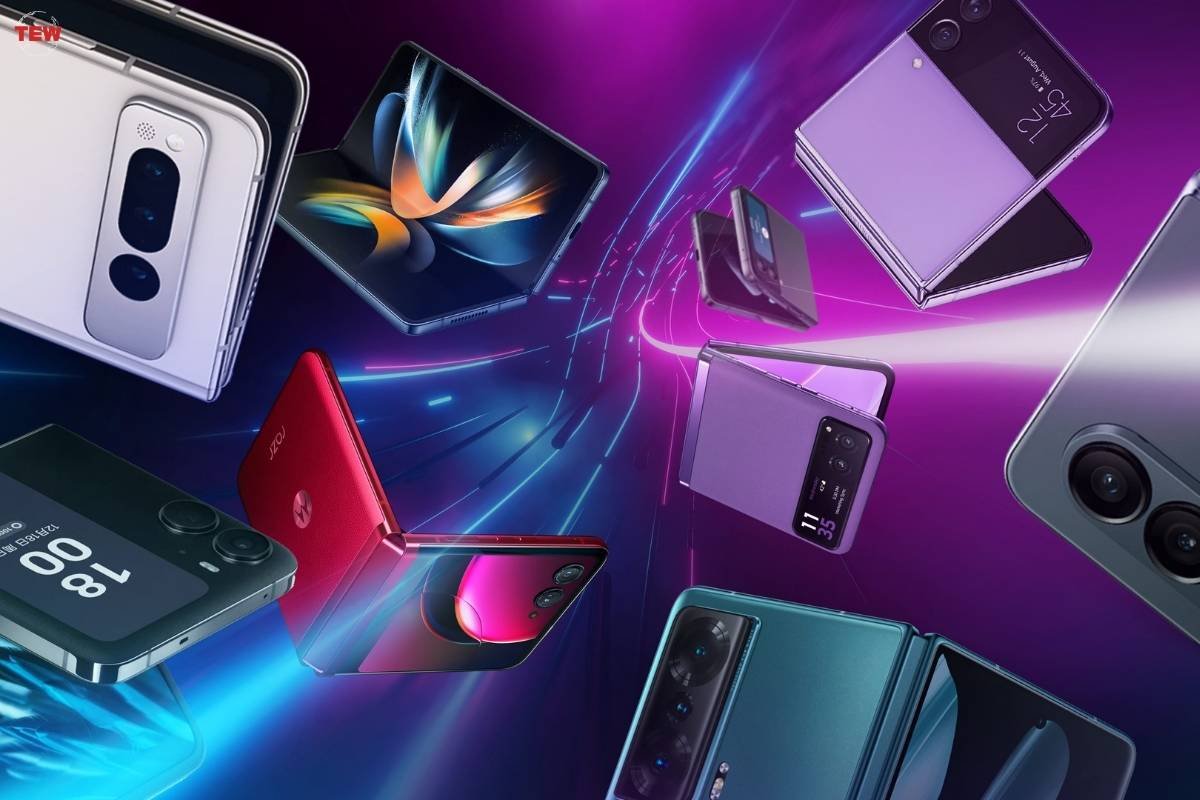
Rise of Foldable Smartphones
For decades, the smartphone industry revolved around a single design principle: a flat rectangular slab of glass and metal. Although each generation grew faster, thinner, and more polished, the fundamental shape remained unchanged. That era is now slowly fading as foldable phones step forward and redefine the possibilities of mobile design. Once dismissed as unrealistic prototypes destined to fail, foldables have proven not only feasible but increasingly practical and desirable.
Over the past few years, global brands have shifted enormous resources toward foldable development. Companies such as Samsung, Huawei, Xiaomi, Motorola, Oppo, Vivo, and Google are racing to refine foldable hardware, perfect hinge mechanisms, enhance durability, and optimize software for flexible screens. As a result, foldable smartphones are no longer niche gadgets—they are emerging as the next mainstream evolutionary step in mobile computing.
This article explores everything consumers and tech observers need to know about foldable phones. We examine their history, internal engineering, strengths, weaknesses, market adoption, user benefits, and future direction. With extensive, in-depth explanations crafted for SEO and Google Adsense performance, this article serves as a comprehensive guide for readers searching for detailed insights into the foldable revolution.
What Are Foldable Phones and Why Do They Matter?
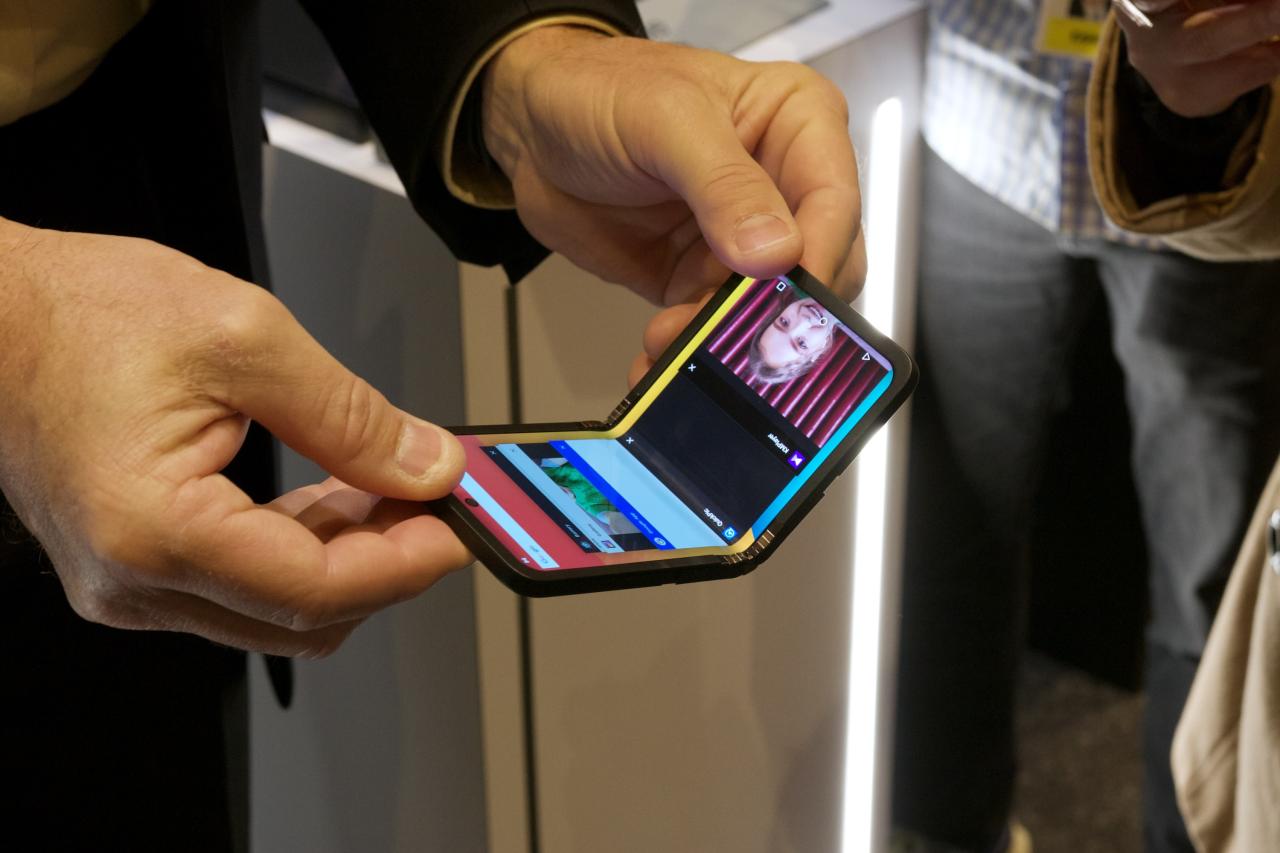
A foldable smartphone is a mobile device featuring a flexible display that bends, allowing it to transform between two or more physical configurations. Unlike traditional phones, which rely on rigid glass, foldable devices use ultra-thin glass or polymer-based flexible screens combined with complex hinge systems.
Foldables matter because they challenge long-standing limitations of smartphone design. Instead of choosing between portability and a large display, consumers can have both in one device. A compact footprint becomes a tablet-sized screen in seconds—something no normal smartphone can replicate.
Core Characteristics of Foldable Phones
A. Flexible Display Panels
Foldable phones rely on cutting-edge OLED panels engineered to withstand hundreds of thousands of folds.
B. Advanced Hinge Engineering
Multi-part hinges with precision gears maintain structural integrity and prevent debris from damaging the screen.
C. Adaptive Interface Technology
Software automatically reshapes and reorganizes content depending on screen orientation and size.
D. Multiple Form Modes
Devices may function as phones, tablets, mini-laptops, or camera stands—depending on how they are folded.
E. High-End Build Materials
Lightweight alloys, reinforced polymers, and optimized internal layouts allow foldables to remain thin despite their complexity.
These innovations reflect a significant technological leap, marking foldables as one of modern mobile engineering’s most ambitious achievements.
The Origins and Timeline of Foldable Development
Early Vision and Prototypes
The concept of bendable displays first appeared in research labs during the early 2000s. Samsung, LG, and other display manufacturers showcased flexible OLED panels long before any commercial product existed. However, early prototypes were fragile and lacked supporting hinge technology.
The First Commercial Launch
Samsung’s original Galaxy Fold, introduced in 2019, was the first widely-publicized foldable smartphone. Despite initial excitement, the launch faced setbacks due to screen failures and dust-related hinge issues. Instead of abandoning the design, Samsung took feedback seriously, delaying the device and improving its structure.
Industry-Wide Expansion
Between 2020 and 2024, other manufacturers joined the foldable race:
A. Huawei with the Mate X series
B. Motorola resurrecting the iconic Razr in foldable form
C. Xiaomi introducing multi-hinge engineering concepts
D. Oppo and Vivo releasing slim, productivity-focused foldables
E. Google unveiling the Pixel Fold with advanced multitasking tools
As more companies adopted foldable technology, rapidly evolving competition accelerated innovation.
Continuous Refinement
With each generation, foldables have become:
A. More durable
B. Noticeably lighter
C. More compact and easier to carry
D. More scratch-resistant
E. More affordable and accessible to mainstream markets
It is now clear that foldable phones were not a gimmick but a long-term direction for mobile design.
Different Types of Foldable Phones Explained
There are multiple foldable designs based on how the screen bends and how users interact with the device.
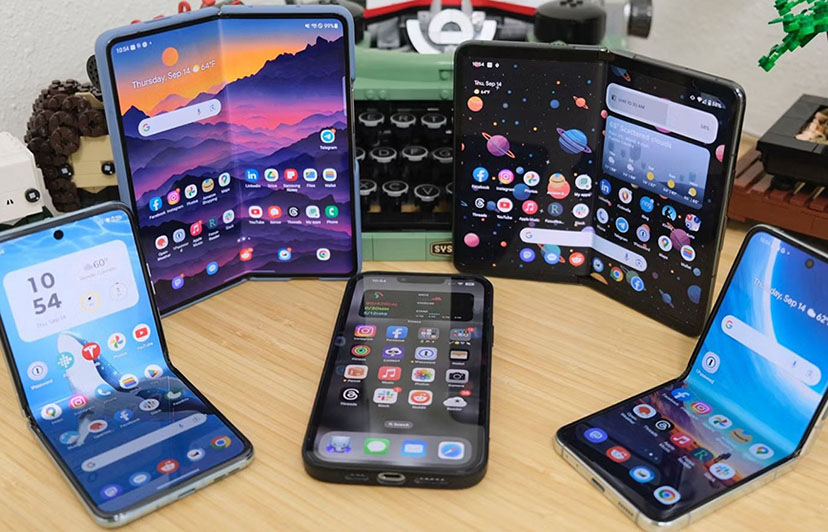
1. Book-Style Horizontal Fold
This is the most recognizable design, where the device opens like a book, transforming into a small tablet.
A. Large interior display for multitasking
B. Ideal for gaming, movies, and productivity
C. Often includes external cover screens
2. Vertical Flip Fold
This design mimics classic flip phones but with modern touchscreens.
A. Ultra-compact when folded
B. Great for pockets and small bags
C. Stylish and convenient for everyday use
3. Outward-Folding Models
Some foldables feature screens that fold outward, eliminating internal screens.
A. Unique aesthetic appeal
B. Less protective since the screen faces outward
C. Less common due to longevity concerns
4. Rollable & Slidable Devices
Still in experimental phases, these devices do not fold—they extend.
A. Expanding displays without hinge creases
B. Flexible width or height depending on the design
C. Future competitors to foldable phones
Each type addresses different consumer needs, ensuring a diverse range of options as the market matures.
Benefits and Advantages of Foldable Phones
Foldable devices provide several major advantages that significantly improve user experience.
1. Large Screens Without Extra Bulk
Foldables combine portability and screen size, offering large displays without sacrificing pocket-friendliness.
2. Enhanced Productivity
A. Split-screen and multi-window features
B. Drag-and-drop functionality between apps
C. High-efficiency document editing
D. Improved compatibility with productivity suites
3. Superior Entertainment
Movies, games, and reading experiences feel more immersive on expanded screens. Many users say they no longer need tablets for travel because foldables replace them effectively.
4. Creative Flexibility
Thanks to hinge positions, cameras can be used hands-free for:
A. Vlogs
B. Time-lapse videos
C. Group photos
D. Low-light stability
5. Multi-Mode Usage
Foldables work in tent mode, laptop mode, tablet mode, phone mode, and creative mode—offering a much wider range of functionality than flat smartphones.
6. Future-Proof Technology
Buying a foldable is a forward-looking choice, as more apps, software features, and digital ecosystems continue to optimize for larger, flexible screens.
Challenges and Issues Foldable Phones Still Face
Despite impressive progress, foldables have their share of limitations.
1. Fragility
Flexible displays remain more vulnerable than rigid glass panels. Although newer models use ultra-thin glass, they still require caution.
2. Cost Barriers
Foldables cost far more than standard smartphones due to their complex engineering.
3. Hinge Wear
Although vastly improved, hinges remain moving mechanical parts and naturally face long-term wear.
4. App Compatibility Gaps
Some apps still struggle to fully optimize across multiple screen modes.
5. Slight Screen Crease
Fold lines have become faint but remain visible on many models.
Despite these limitations, ongoing innovation is quickly minimizing every issue listed above.
How Foldables Are Transforming App Development
Developers must redesign their apps for new foldable use cases.
Software Innovations
A. Responsive UI frameworks
B. Adaptive layouts for transition states
C. Enhanced drag-and-drop tools
D. Multi-app task synchronization
E. Advanced gesture support
Apps that optimize for foldables often gain a competitive advantage and higher user engagement.
Foldable Phones for Productivity, Work, and Business
Foldables are extremely effective for remote work and business environments.
Features That Benefit Professionals
A. Tablet-level workspace
B. Large spreadsheets without horizontal scrolling
C. Superior multitasking for emails and documents
D. Efficient conference calling layouts
Many professionals now prefer foldables as travel-friendly replacements for bulky laptops and tablets.
Foldables for Creators, Students, and Gamers
Foldable phones also provide immense value for creative and recreational use.
Creative Advantages
A. Digital art on large canvases
B. Convenient video editing layouts
C. Flexible viewing for photography work
Student-Friendly Functions
A. Split-screen studying
B. PDF reading in tablet size
C. Lecture streaming with notes open simultaneously
Gaming Improvements
A. Wider fields of view
B. Better control distribution
C. More immersive gameplay
As foldable optimization grows, creators and students become some of the technology’s strongest adopters.
Why Foldable Phones Are Becoming More Popular
Several factors contribute to the rising popularity of foldables.
A. Advances in durability
B. Price reductions over time
C. More brand options to choose from
D. Better app support
E. Growing consumer trust
Market research predicts foldable smartphone shipments will continue expanding steadily through 2030.
Will Foldable Phones Replace Traditional Smartphones?
Current trends suggest that foldables may eventually become the standard design for premium devices. As manufacturing costs drop and durability improves, foldables might overshadow flat smartphones the same way touchscreens replaced physical keyboards.
Traditional phones will still exist, but foldables could become the default for high-end users.
Future Innovations and Predictions
Future foldable models will be even more advanced.
Expected Improvements
A. Near-invisible crease lines
B. Thinner, lighter frames
C. Stronger materials for everyday durability
D. Rollable–foldable hybrid devices
E. AI-based multitasking optimization
F. Long-lasting solid-state batteries
Possible New Use Cases
A. Immersive AR-style productivity apps
B. Advanced studio-level creative tools
C. 3D hologram-style interfaces
D. Wearable foldable devices
The evolution of foldable phones is only beginning.
Is a Foldable Phone Worth Buying?
Whether a foldable is worth purchasing depends on your usage patterns.
Highly Recommended For:
A. Multitaskers
B. Travelers
C. Content creators
D. Tech enthusiasts
E. Digital artists
Not Ideal For:
A. People prone to dropping phones frequently
B. Users with tight budgets
Most users who switch to foldables report that they never want to return to traditional smartphones.
Conclusion
Foldable smartphones represent one of the most significant advancements in mobile technology since the invention of the touchscreen. They introduce new possibilities in productivity, entertainment, creativity, and portability. While still evolving, foldables already offer features that regular phones cannot match—from multitasking like a laptop to unfolding into a tablet.
As durability improves, prices fall, and software matures, foldable devices will likely dominate the future smartphone landscape. They are more than just a trend—they are an expanding revolution in personal technology.