

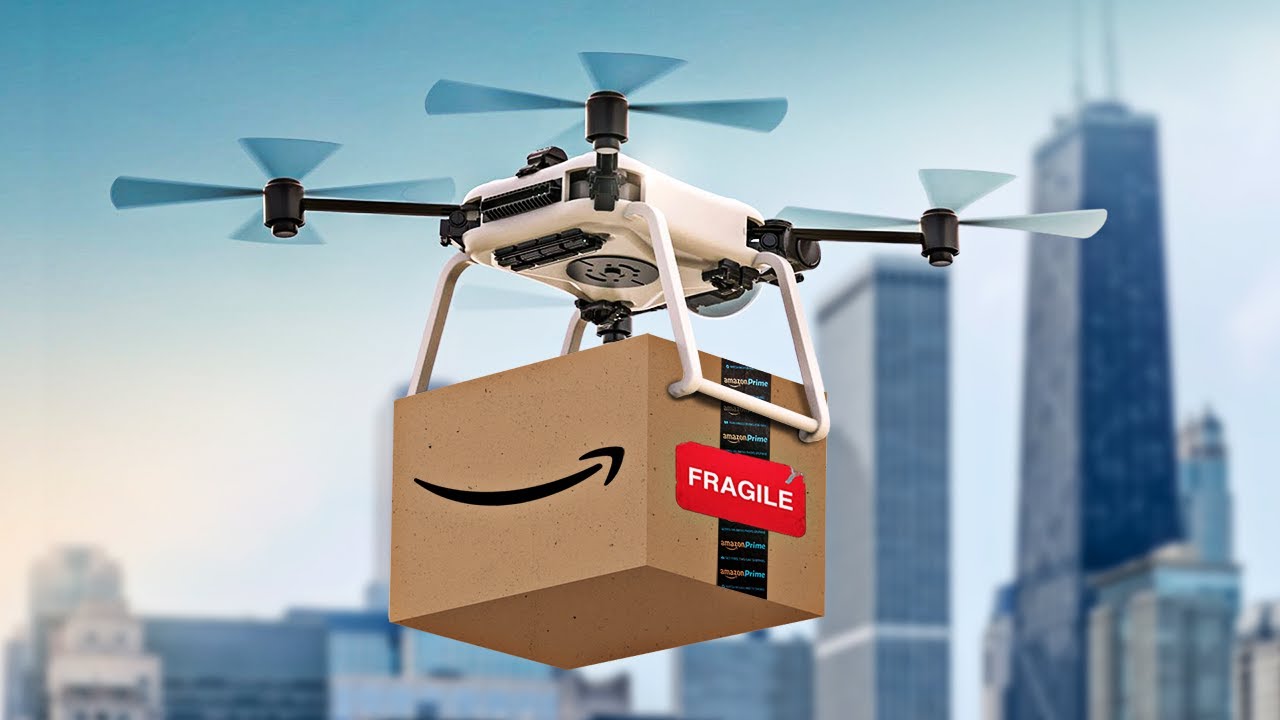
The global supply chain and final-mile delivery sectors are on the cusp of a revolutionary transformation, largely powered by the emergence and rapid scaling of Unmanned Aerial Vehicles (UAVs), commonly known as drones. Once relegated to military and recreational use, drones are now evolving into sophisticated, autonomous tools that promise to drastically lower operational costs, bypass traditional logistical bottlenecks, and provide unprecedented speed and accessibility, particularly in challenging geographical areas. This shift, often dubbed “Drone Logistics” or “Drone Delivery,” is not just an incremental improvement but a fundamental change in how goods—from medical supplies and e-commerce parcels to construction materials and hot food—are moved, fulfilling the escalating demands of the modern, on-demand economy. This article provides an extensive, detailed examination of the technologies, applications, regulatory hurdles, and economic implications surrounding the integration of drones into the modern logistics and supply chain ecosystem.
I. The Technological Foundation of Drone Logistics
The capabilities of modern delivery drones stem from significant advancements across several interconnected technological domains. These features move drones far beyond simple remote-controlled aircraft into complex, autonomous logistical assets.
1. Hardware and Airframe Evolution
Delivery drones are engineered for specific commercial tasks, requiring specialized designs that prioritize payload, endurance, and safety.
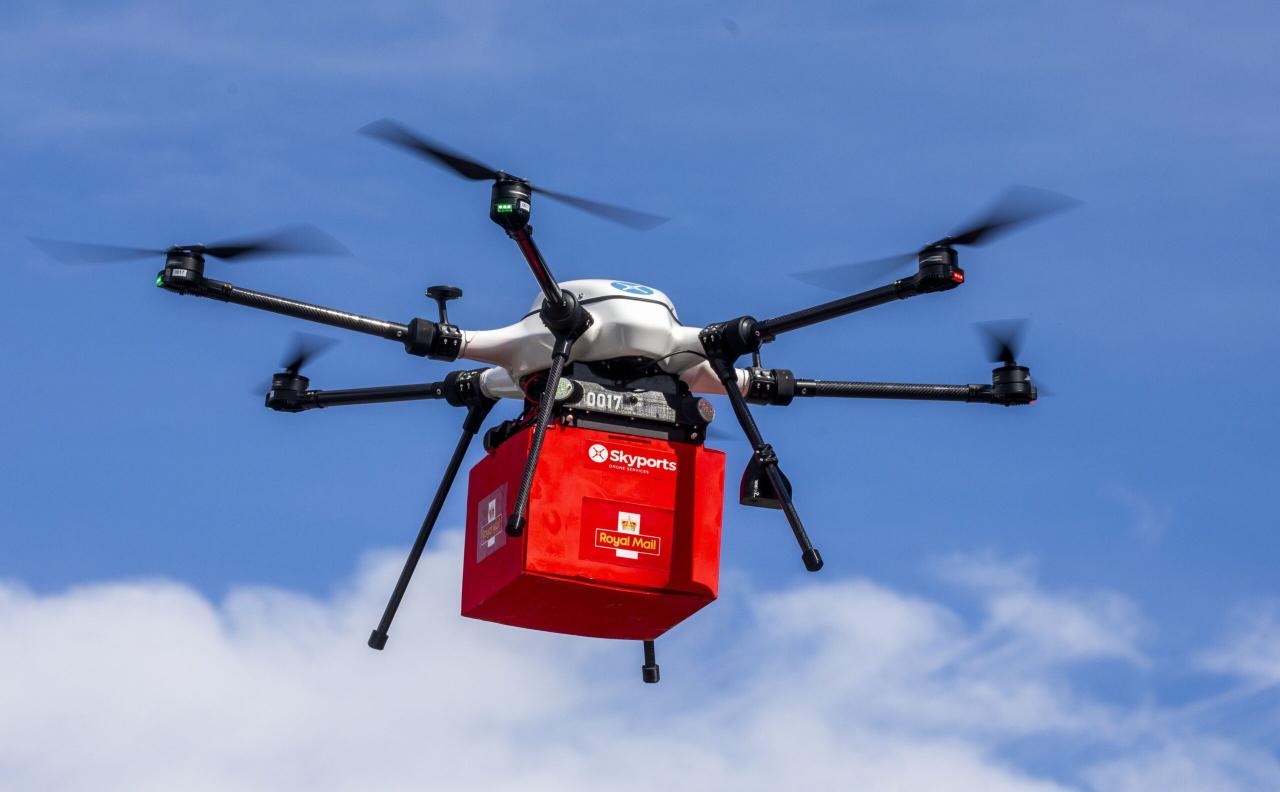
A. Vertical Take-Off and Landing (VTOL) Systems: Most commercial delivery drones utilize multi-rotor configurations (quadcopters, hexacopters, octocopters) or hybrid VTOL fixed-wing designs. VTOL capability is essential for operations in dense urban environments or on customer properties where conventional runways are impractical. This design allows them to ascend and descend precisely in small, confined spaces.
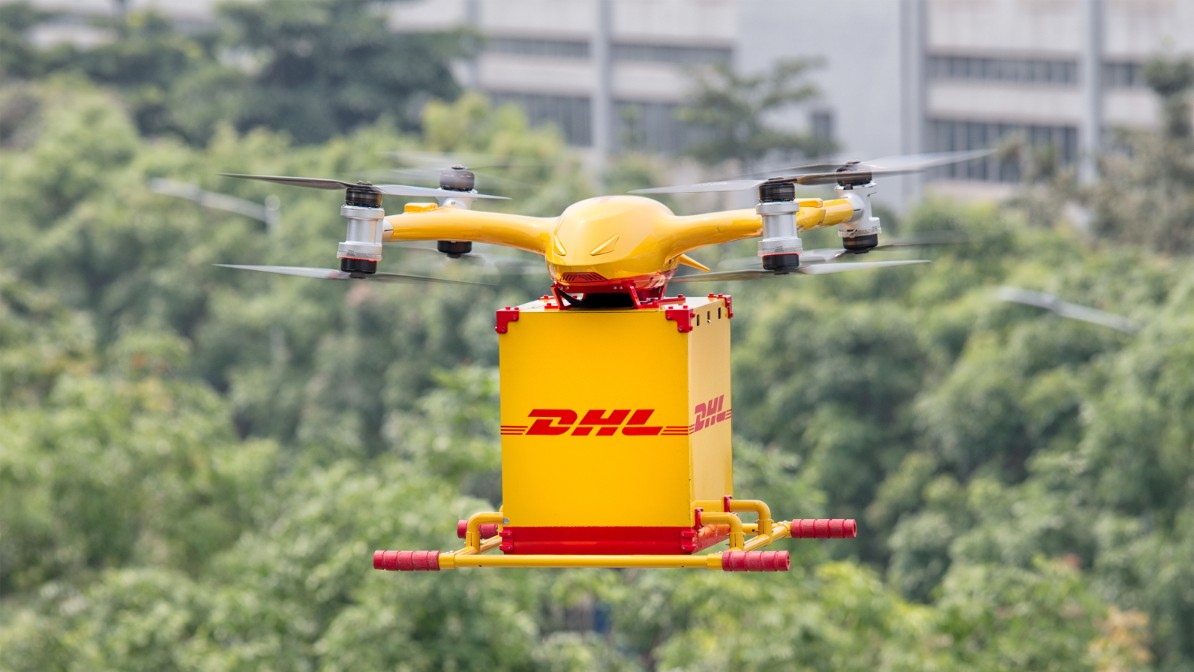
B. Payload and Range Optimization: Advances in lightweight materials (carbon fiber composites) and energy-dense battery technology (lithium-ion and solid-state) have substantially increased both the payload capacity (now capable of carrying several kilograms) and the operational range, enabling commercially viable deliveries over distances exceeding 15 kilometers.
C. Propulsion Efficiency: High-efficiency brushless motors and aerodynamically optimized propellers ensure maximum flight time per battery charge. Companies are also exploring alternative power sources, such as hydrogen fuel cells, to achieve significantly longer ranges necessary for inter-city logistics.
2. Autonomy and Navigation Systems
The commercial viability of drone logistics is entirely dependent on the ability of the aircraft to fly autonomously, safely, and accurately without direct human control.
A. Global Navigation Satellite Systems (GNSS) and Inertial Measurement Units (IMU): Precision navigation relies on highly accurate GNSS (like GPS, GLONASS, or Galileo) combined with onboard IMUs, which track the drone’s velocity, orientation, and gravity to maintain stable flight even when GNSS signals are momentarily lost.
B. Sense-and-Avoid (SAA) Technology: This is a critical safety feature. SAA systems employ a fusion of sensors—including LiDAR, radar, ultrasonic sensors, and computer vision cameras—to detect static obstacles (buildings, power lines) and dynamic obstacles (other manned and unmanned aircraft). Sophisticated algorithms then compute the safest avoidance maneuver in real-time.
C. Geo-Fencing and Fail-Safes: All commercial delivery drones incorporate strict geo-fencing software that automatically prevents the drone from entering restricted airspace (e.g., near airports or critical infrastructure). Comprehensive fail-safes include automatic return-to-base (RTH) upon low battery, loss of command link, or system malfunction, ensuring the asset is recovered safely.
II. Transformative Applications Across Industries
Drone logistics is not a monolithic service; its value is highly specific to the industry and the nature of the goods being transported.
1. Healthcare and Emergency Response
The most immediate and impactful application of drone logistics is in delivering vital medical supplies.
A. Last-Mile Medical Deliveries: Drones are uniquely positioned to transport sensitive items like vaccines, blood products, organs for transplant, and diagnostic samples from central labs or hospitals to rural clinics, remote communities, or isolated homes, often bypassing unreliable or congested road networks. The speed of drone delivery can be life-saving in cases requiring rapid intervention.
B. Disaster and Humanitarian Aid: Following natural disasters, drones can rapidly deliver food, water purification tablets, communication equipment, and trauma supplies to areas where ground infrastructure has been destroyed, providing aid before larger logistical operations can mobilize.
C. Automated External Defibrillator (AED) Dispatch: Trials are proving the viability of dispatching AEDs via drone to the location of a cardiac arrest victim. The drone’s speed significantly reduces the time-to-treatment, increasing the victim’s chance of survival compared to standard ambulance response times.
2. E-commerce and Retail Delivery
For the consumer goods market, drones represent the ultimate solution to the costly and often inefficient final-mile delivery challenge.
A. Hyper-Local On-Demand Delivery: Retail giants and food delivery services are piloting drone networks for rapid delivery within a limited radius (typically 5-10 km) of a fulfillment center or local store. This enables delivery times measured in minutes rather than hours, satisfying the demand for instant gratification.
B. High-Value/Low-Weight Goods: Drones are perfectly suited for transporting small e-commerce packages, electronics, pharmaceuticals, and prepared meals. The cost per delivery becomes competitive because the drone avoids labor costs (driver wages) and road infrastructure expenses (fuel, vehicle maintenance).
C. Returns and Reverse Logistics: Drones could be utilized not just for outbound delivery but also for reverse logistics, picking up small, pre-packaged returns directly from a customer’s designated drop-off point, simplifying the returns process for consumers.
3. Industrial and Construction Logistics
In industrial environments, drones are streamlining the movement of tools, parts, and samples across large sites.
A. Intra-Site Transport: On vast industrial complexes, construction sites, or mining operations, drones can quickly ferry critical spare parts, surveying equipment, or time-sensitive samples (e.g., concrete tests) across the site, eliminating the need for vehicles navigating complex terrain or traffic.
B. Inspection and Surveying Support: While not direct delivery, drones’ ability to rapidly deploy sensors for infrastructure inspection (e.g., checking wind turbines, bridges, pipelines) reduces the need to deploy heavy equipment or personnel, providing indirect logistical efficiency.
III. Overcoming Regulatory and Infrastructure Challenges
The widespread commercial deployment of drone logistics is currently constrained less by technology and more by regulatory frameworks and the need for new infrastructure.
1. Airspace Management and UTM
The fundamental challenge is integrating thousands of autonomous drones safely into already crowded low-altitude airspace.
A. Unmanned Traffic Management (UTM) Systems: UTM is a network of systems and protocols designed to manage drone traffic safely and efficiently below the altitude managed by traditional Air Traffic Control (ATC). UTM handles mission planning, airspace authorization, weather monitoring, separation management (preventing mid-air collisions), and emergency response for drone fleets.
B. Standardization of Safety Protocols: Regulatory bodies (like the FAA in the U.S. and EASA in Europe) are working to define global standards for airworthiness, pilot certification (even for remote oversight), and the reliable performance of Sense-and-Avoid technologies. These standards are essential for granting approvals for Beyond Visual Line of Sight (BVLOS) operations, which are necessary for commercial scale.
2. Security and Public Acceptance
Public perception and security concerns remain significant hurdles that must be systematically addressed.
A. Cybersecurity: Autonomous drone fleets and their associated ground control systems represent a massive network that must be protected from hacking, jamming, and spoofing to prevent misuse, theft of cargo, or loss of control. Strong cryptographic and authentication protocols are non-negotiable.
B. Noise Pollution: The cumulative acoustic impact of numerous drones operating in urban areas requires airframe designs that minimize noise profiles. This necessitates collaboration between aerospace engineers and urban planners.
C. Privacy and Safety: Public concerns about camera-equipped drones (privacy) and the risk of drones falling onto populated areas (safety) must be mitigated through strict operational guidelines, low-impact design, and public education campaigns demonstrating the high reliability and safety record of certified systems.
3. Developing Ground Infrastructure
Unlike road networks, drone networks require new physical infrastructure to support high-volume operations.
A. Droneports and Hubs: These are centralized facilities for automated battery swapping, maintenance, loading, and launching of drone fleets. They will be strategically located near fulfillment centers, hospitals, and logistical choke points to ensure rapid dispatch.
B. Automated Receiving Systems: For customer deliveries, specialized infrastructure (e.g., automated landing pads, secure drop-off boxes, or winch-and-tether systems) will be required at homes or businesses to ensure safe, secure, and precise package delivery without requiring direct human interaction.
IV. The Economic and Environmental Impact
The large-scale adoption of drone logistics promises profound economic and environmental benefits.
1. Cost Efficiency and Labor Reallocation
Drones offer a compelling cost-per-delivery model, especially for the expensive final mile.
A. Reduction in Operating Expenses: Drones consume significantly less energy than conventional delivery vans or trucks. They eliminate the primary variable cost associated with road logistics: driver wages and benefits. Fuel, vehicle maintenance, and insurance costs are drastically reduced, leading to lower overall transportation costs.
B. 24/7 Operation: Unlike human-driven logistics, drones are capable of near 24/7 operation, limited only by weather and charging cycles, enabling faster throughput and optimizing asset utilization.
C. Labor Shift: While drones automate the delivery task itself, they create new skilled jobs in remote piloting, flight supervision (one pilot can oversee a fleet of drones), maintenance, data analysis, and UTM infrastructure management, leading to a reallocation of the logistics workforce toward high-tech roles.
2. Environmental Sustainability
The shift from fossil fuel-powered vehicles to electric-powered drones provides significant environmental dividends.
A. Lower Carbon Emissions: Electric drones produce zero tailpipe emissions. While their environmental footprint depends on the cleanliness of the electricity source, they generally represent a far more sustainable solution than combustion engine vehicles, especially for short, frequent trips in urban areas.
B. Reduced Traffic Congestion: By moving delivery traffic from congested city streets to the low-altitude airspace, drones alleviate urban gridlock, reducing travel times for everyone and further decreasing the fuel consumption and emissions of ground vehicles. This enhances the overall efficiency and liveability of cities.
3. Supply Chain Resilience and Globalization
Drones introduce a critical layer of redundancy and speed to the supply chain.
A. Mitigating Choke Points: Drones are immune to traffic, road closures, and many geopolitical ground risks. This resilience ensures critical supplies can continue moving when ground infrastructure fails, enhancing overall supply chain stability.
B. Expanding Market Access: Drone logistics enables companies to reach previously inaccessible remote or rural customers cost-effectively, unlocking new markets and improving commerce in underserved regions globally.
V. Future Trajectories and Emerging Technologies
The evolution of drone logistics is far from complete, with several key technologies poised to unlock the next level of scalability and functionality.
1. Advanced Charging and Autonomy
Future drones will rely less on manual human intervention for power and deployment.
A. Wireless Charging and Automated Swapping: Droneports will integrate fully automated battery swapping mechanisms that can recharge or replace a battery pack in seconds, drastically reducing downtime. Furthermore, localized wireless charging pads placed along high-volume routes could “top up” a drone’s power mid-flight or during a pause, extending effective range.
B. AI-Driven Route Optimization: Next-generation algorithms will utilize real-time weather, airspace traffic, and delivery demand data to dynamically re-route drones mid-mission, ensuring optimal efficiency, energy usage, and obstacle avoidance far superior to current pre-programmed routes.
2. Heavy-Lift and Inter-City Operations
The current focus on small, final-mile packages will expand to larger, higher-value cargo.
A. Heavy-Lift UAVs: Companies are developing large, cargo-focused drones capable of carrying hundreds of kilograms. These are designed to ferry cargo between distribution centers or across challenging terrain (e.g., island-to-mainland or mountainous regions), bridging the gap between air freight and truck freight.
B. Fixed-Wing BVLOS Fleets: For inter-city logistics, fixed-wing drones offer superior energy efficiency over long distances. BVLOS operations will leverage high-bandwidth satellite communication links and mandatory UTM compliance to create true regional air corridors for package transport.
3. Standardization and Regulation Harmonization
The speed of global deployment will be dictated by the ability of international bodies to harmonize operational rules.
A. Global Drone Identification: Mandatory remote identification (Remote ID) systems will become standard, broadcasting a drone’s identity, location, and status in real-time, which is crucial for both security and UTM management across jurisdictions.
B. Performance-Based Regulations: Future regulatory models are moving away from prescribing specific technologies towards setting minimum performance standards. This allows innovation to progress rapidly, as long as new technologies can demonstrate they meet the required safety and reliability thresholds.
The integration of drones into the logistics and delivery sector marks a pivotal moment in the history of transport. This technological convergence offers solutions to perennial supply chain issues—speed, cost, and reliability—while simultaneously addressing modern sustainability imperatives. While regulatory and infrastructural challenges remain significant, the demonstrable efficiency and life-saving potential of drone logistics suggest that the skies above our cities and communities will soon become another critical artery in the global supply chain network. The transformation is underway, setting the stage for a future where delivery is measured not in days or hours, but in minutes.