
The transition from traditional freight handling to institutional-grade digital orchestration represents the primary driver of modern industrial disruption and operational resilience. We are currently navigating a global landscape where the ability to synchronize complex movement patterns with real-time data is no longer a luxury but a core requirement for survival. This evolution in logistical architecture requires a sophisticated understanding of autonomous systems, predictive analytics, and the psychological discipline needed to manage global networks without constant human intervention. For the modern executive or business owner, mastering the mechanics of automated flow is a fundamental pillar for scaling influence and maintaining profitability in a high-velocity economy.
Achieving elite status in this domain involves more than just buying software; it requires a deep dive into warehouse robotics, last-mile optimization, and the architecture of interconnected global trade. This guide is designed to deconstruct the complex layers of the modern supply chain ecosystem, providing you with a masterclass in the strategies used by the world’s most successful organizations. By focusing on the synergy between technical precision and strategic resource allocation, you can transform a standard operation into a predictable, high-performance engine of commerce. Let us explore the blueprints of logistical sovereignty and discover how to build a legacy of efficiency that thrives in an era of rapid digital acceleration.
The Foundation of Autonomous Logistical Architecture
Building an elite automated supply chain requires a structural approach to every moving part. You must treat your digital infrastructure with the same level of professional scrutiny as a physical skyscraper.
A. Strategic Process Mapping and System Design
The bedrock of any successful automation strategy is a clear understanding of the physical path a product takes. You must identify every manual touchpoint that causes friction or delay in the movement of goods. By mapping these steps, you can design a digital layer that removes human error before the first line of code is ever written.
B. The Role of Real-Time Visibility and Data Streams
Elite operations rely on a constant flow of information from sensors, GPS, and RFID tags. This visibility allows you to see the exact location and condition of every asset in your network at all times. Without this data, your automation is essentially flying blind in a very turbulent global market.
C. Integration of Cloud-Based Management Platforms
Modern supply chains are too complex to be managed on local servers or spreadsheets. Cloud platforms provide the centralized brain needed to coordinate multiple warehouses, carriers, and suppliers simultaneously. This creates a single source of truth that keeps every department aligned and moving in the same direction.
Advanced Robotics and Warehouse Optimization
Efficiency is not just about moving fast in the office; it is about how goods are handled on the warehouse floor. Modern robotics are changing the way we think about storage and retrieval.
A. Automated Storage and Retrieval Systems (ASRS)
These systems utilize high-speed cranes and shuttles to move pallets and bins with mathematical precision. This removes the need for human forklift operators in high-density storage areas. It also significantly reduces the physical footprint of the warehouse by allowing for taller, narrower aisles.
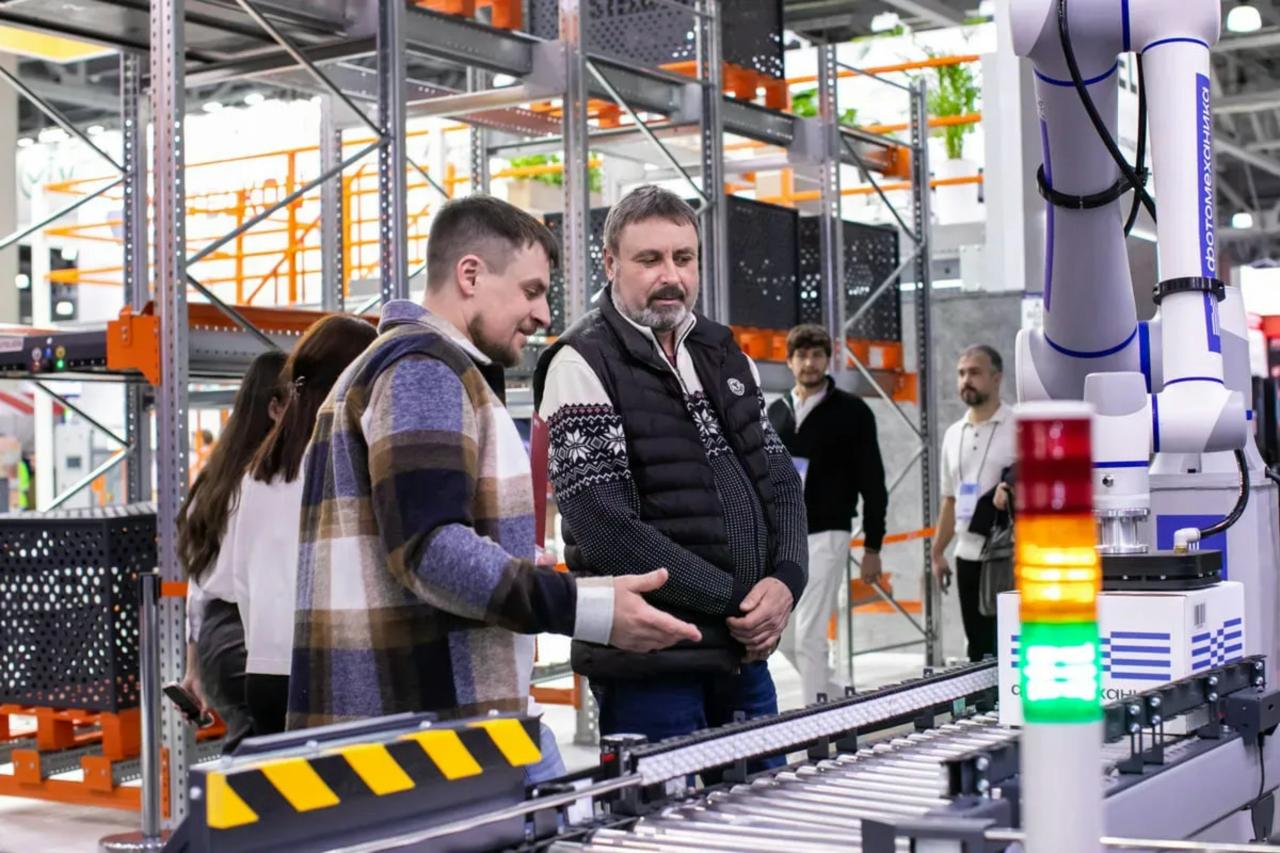
B. Collaborative Robots and Human-Machine Synergy
Not every task can be fully automated yet, which is where “cobots” come into play. These robots work alongside human staff to handle repetitive picking and packing tasks. This synergy allows humans to focus on complex problem-solving while the machine handles the heavy lifting.
C. Predictive Maintenance for Industrial Equipment
By using sensors to monitor the health of your robots and conveyors, you can predict failures before they happen. This shift from reactive to proactive maintenance ensures that your operation never grinds to a halt due to a broken belt or a faulty motor.
The Evolution of Smart Inventory Management
Holding too much stock is a liability, but holding too little is a disaster. Automation provides the balance needed to maintain perfect inventory levels.
A. Demand Forecasting Through Machine Learning
Elite systems analyze historical sales data and market trends to predict what customers will buy next. This allows you to position inventory closer to the end user before they even place an order. It reduces shipping times and minimizes the capital tied up in slow-moving goods.
B. Dynamic Reordering and Supplier Integration
Instead of waiting for a human to notice a low stock level, automated systems trigger orders directly to the supplier. This creates a seamless flow of goods that adjusts automatically to spikes in demand. It also builds stronger relationships with vendors through predictable, data-driven purchasing.
C. Batch Tracking and Quality Control Automation
Every item in an elite supply chain is tracked through its entire lifecycle. Automated scanners verify that the right product is in the right box with the right documentation. This eliminates the risk of shipping incorrect or defective items to high-value clients.
Last-Mile Delivery and Transportation Intelligence
The final stretch of the journey is often the most expensive and complex. Automation is the only way to solve the riddle of the “last mile.”
A. Route Optimization and Dynamic Dispatching
Algorithms now calculate the most efficient path for delivery vehicles in real-time. These systems account for traffic, weather, and window constraints to ensure every stop is made on time. This reduces fuel consumption and maximizes the productivity of every driver in the fleet.
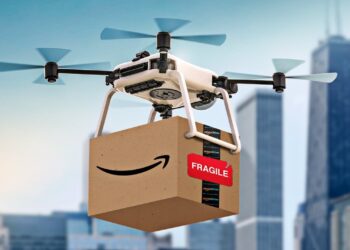
B. Autonomous Delivery Vehicles and Drones
We are moving toward a world where small packages are delivered by sidewalk robots or aerial drones. These technologies remove the need for a large van to visit every single house. This is a game-changer for urban density and environmental sustainability.
C. Smart Lockers and PUDO Point Integration
Automation allows customers to choose exactly where and when they receive their goods. By integrating with smart locker networks, you can reduce the number of failed delivery attempts. This provides a premium experience for the customer while lowering costs for the carrier.
Security and Risk Mitigation in Digital Trade
As we move more data into the cloud, the risk of cyber threats increases. An elite supply chain must be a digital fortress.
A. Data Encryption and Secure API Integration
Every connection between your system and a partner’s system must be protected. Elite practitioners use advanced encryption to ensure that sensitive shipment data cannot be intercepted. This protects your competitive intelligence and your customers’ privacy.
B. Blockchain for Transparency and Trust
Utilizing a distributed ledger allows every participant in the supply chain to verify the history of a product. This is particularly vital for high-value goods where provenance and authenticity are essential. It creates an unalterable audit trail that satisfies both regulators and consumers.
C. Disaster Recovery and Redundant Systems
What happens if a major data center goes offline? Elite blueprints include redundant systems that can take over the workload instantly. This level of resilience ensures that your logistical engine keeps humming even during a global crisis.
The Psychology of Automated Leadership
Mastering the technology is only half the battle. You must also lead the people who will operate and maintain these systems.
A. Transitioning from Managers to System Architects
In an automated world, the role of leadership changes from directing people to designing processes. Your team must focus on improving the logic of the machine rather than performing the tasks themselves. This requires a higher level of technical literacy across the entire organization.
B. Upskilling the Workforce for a Digital Future
Automation does not replace people; it replaces tasks. You must invest in training your staff to handle data analysis and robot maintenance. This builds a loyal, high-performance team that is ready for the future of work.
C. Managing the Cultural Shift Toward Data-Driven Decisions
People often trust their “gut” more than the data. Elite leaders foster a culture where every decision is backed by cold, hard evidence. This reduces the emotional volatility of the workplace and leads to more consistent results.
Global Trade Compliance and Automated Documentation
Moving goods across borders involves a mountain of paperwork. Automation turns this obstacle into a streamlined process.
A. Automated Customs Filings and Tariff Calculation
Systems can now automatically generate the necessary documents for international shipments. They calculate duties and taxes instantly based on the latest global regulations. This prevents costly delays at the border and ensures full legal compliance.
B. Sanction Screening and Compliance Logic
Automated filters check every shipment against global watchlists in real-time. This protects your business from accidentally dealing with prohibited entities. It is a vital layer of defense in a complex and shifting geopolitical landscape.
C. Digital Bills of Lading and Paperless Trade
The era of the physical filing cabinet is over. Elite organizations use digital documents that can be signed and transferred instantly across the globe. This speeds up the payment cycle and reduces the environmental impact of your operations.
Environmental Sustainability and Green Logistics
Automation is the key to building a supply chain that respects the planet. Efficiency and sustainability are now the same thing.
A. Carbon Footprint Monitoring and Reporting
Systems can now track the exact emissions of every shipment in your network. This data allows you to identify the “dirtiest” parts of your operation and optimize them. Consumers are increasingly choosing brands that can prove their commitment to the environment.
B. Optimizing Load Factors and Reducing Empty Miles
Automation ensures that every truck and container is filled to its maximum capacity. It also coordinates “backhauls” to ensure vehicles are never moving empty. This saves money and significantly reduces the total carbon output of your fleet.
C. Circular Logistics and Automated Returns
The journey doesn’t end when the customer receives the product. Automation manages the process of bringing items back for repair, recycling, or resale. This circular approach minimizes waste and creates new revenue streams from old products.
The Future of Generative Logistical Intelligence
We are just beginning to see the impact of advanced AI on the supply chain. The next decade will be defined by systems that can learn and adapt on their own.
A. Self-Healing Supply Chains
Future systems will identify a delay in one part of the world and automatically reroute shipments before a human even knows there is a problem. This level of autonomy will create a truly “frictionless” global economy.
B. Generative Design for Packaging and Loading
AI can design the perfect box for every product to minimize wasted space and materials. It can also simulate millions of loading scenarios to find the one that offers the best protection and efficiency.
C. Hyper-Personalized Logistical Experiences
Automation will allow businesses to offer unique delivery options for every individual customer. Whether it is a specific time, a specific location, or a specific packaging style, the system will handle the complexity automatically.
Conclusion
Elite automated supply chain management is the primary key to industrial sovereignty in the modern age. This journey requires a disciplined balance of technical precision and strategic process design. Every visionary must take full responsibility for the governance of their digital logistical assets. The ability to automate offers a revolutionary way to scale output without relying on manual labor. Systemic complexity should be embraced as the mechanism that creates a competitive advantage. A successful logistical engine is built on a foundation of real-time visibility and rigorous testing.
Continuous learning is the only way to keep pace with the rapid innovation of global trade tech. Emotional discipline is more important than technical skill when navigating the uncertainty of global markets. Rigorous security protocols ensure that the efficiency you build today remains a permanent asset. The shift toward a fully autonomous digital economy is an unstoppable force in the world today. By following these elite strategies, you position yourself on the right side of the industrial revolution. Efficiency is not just about saving money but about gaining the freedom that systems provide.
The blueprints provided here are your roadmap to navigating the complex world of global movement. Focus on the logic, ignore the superficial trends, and stay committed to your long-term vision. True operational sovereignty is the ultimate goal of every elite architect in this space. The future of commerce is automated, integrated, and ready for those brave enough to build it. The road to prosperity is paved with data, logic, and the courage to delegate to the machine.