
The global automotive industry is currently witnessing a historic transition as electric propulsion moves from a niche novelty to the primary standard for high-end luxury. For the modern executive or car enthusiast, the choice of a vehicle is no longer just about the prestige of the badge on the hood but about the computational power and engineering efficiency beneath the chassis.
Luxury electric vehicles (EVs) have redefined our expectations of what a car can do, blending whisper-quiet cabins with acceleration figures that were once reserved for fighter jets. As we move further into this decade, the competition among heritage European automakers, American innovators, and rising global challengers has reached a boiling point.
Each brand is racing to offer the longest range, the fastest charging times, and the most advanced semi-autonomous driving features available on the market. This shift is not just about environmental sustainability; it is about the pursuit of a superior driving experience that internal combustion engines simply cannot match.
In this deep dive, we will compare the titans of the luxury EV world to see which models truly dominate the road. Whether you prioritize a rolling spa-like interior or a track-ready performance machine, understanding the current landscape is essential for making an informed investment.
A. Acceleration and Raw Powertrain Output
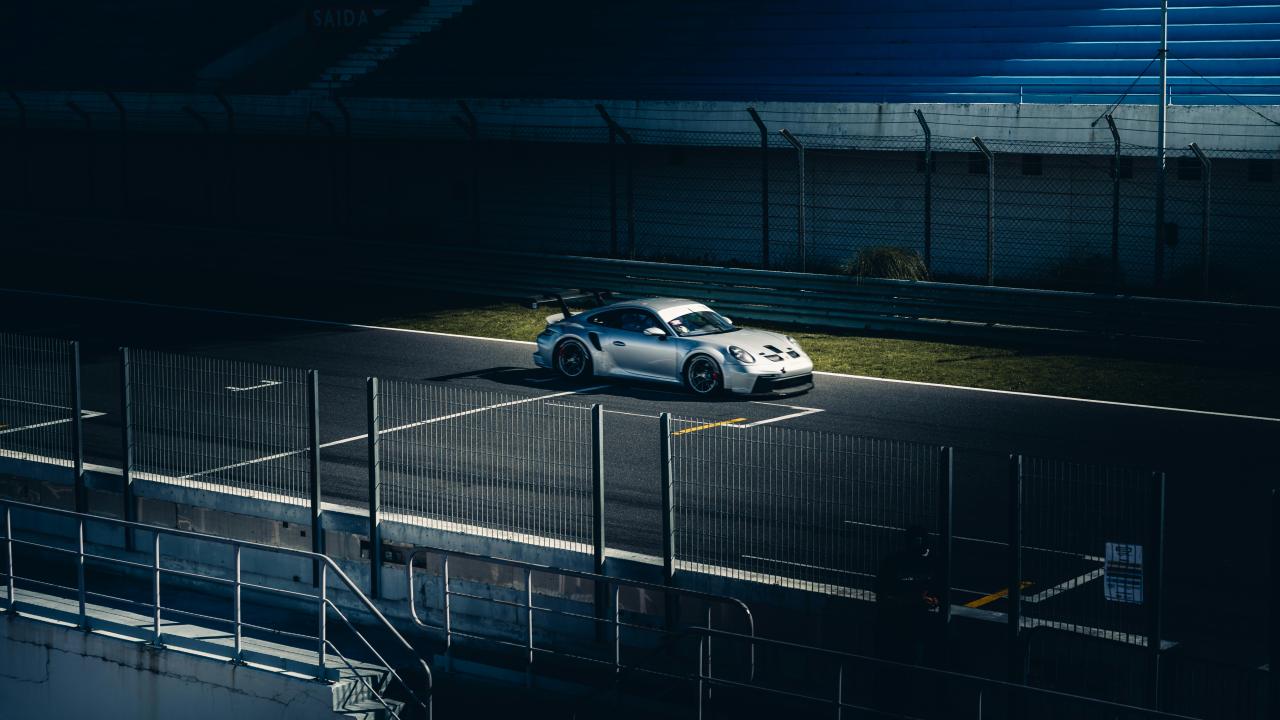
In the world of luxury EVs, performance starts with the instantaneous torque provided by high-output electric motors.
Unlike traditional engines that need to “rev up,” electric drivetrains deliver maximum power the moment you touch the pedal.
This has led to a new era where full-sized luxury sedans can out-accelerate classic supercars in a straight line.
Ludicrous Speed: The top-tier performance models, such as the Tesla Model S Plaid and the Lucid Air Sapphire, now offer 0-60 mph times of under 2.0 seconds.
Dual and Tri-Motor Setups: Most luxury contenders use at least two motors for all-wheel drive, while extreme models use three for better torque vectoring.
Horsepower Landmarks: It is now common for flagship electric luxury cars to exceed 1,000 horsepower, a feat previously limited to multi-million dollar hypercars.
B. Battery Range and Real-World Efficiency
Range remains the most discussed metric for any electric vehicle, particularly for those used for long-distance grand touring.
Luxury buyers expect a “no-compromise” experience where they can travel between major cities without constant fear of a dead battery.
Efficiency isn’t just about battery size; it’s about how well the car cuts through the air and manages its energy consumption.
The 500-Mile Club: The Lucid Air currently leads the industry with EPA-estimated ranges exceeding 500 miles on a single charge.
Aerodynamic Engineering: Models like the Mercedes-Benz EQS feature record-breaking drag coefficients to maximize every kilowatt-hour of energy.
Weight Management: Heavy battery packs are often placed low in the floor to improve handling while maintaining a massive energy capacity.
C. Ultra-Fast Charging Architecture
A luxury car should never keep its owner waiting, which is why charging speed has become a key performance indicator.
The shift toward 800-volt battery architectures has slashed the time spent at highway charging stations significantly.
This technology allows a vehicle to add hundreds of miles of range in the time it takes to grab a cup of coffee.
800V vs 400V: Systems used by Porsche and Audi allow for charging speeds of up to 320 kW, nearly doubling the speed of older tech.
10-80% Charge Times: Many modern luxury EVs can now charge from 10% to 80% in approximately 18 to 22 minutes.
Plug and Charge: Premium brands are integrating seamless payment systems where the charger recognizes the car automatically upon connection.
D. Adaptive Suspension and Ride Quality
True luxury is defined by how well a car isolates its passengers from the imperfections of the road.
Electric vehicles have the advantage of a heavy, low center of gravity, which creates a naturally planted and stable feel.
Advanced air suspension systems now use cameras to scan the road ahead and prep the dampers for upcoming bumps.
Active Body Control: Systems like those in the BMW i7 use electronic actuators to keep the car perfectly level during hard cornering.
Whisper-Quiet Cabins: Without an engine, luxury EVs use active noise cancellation and acoustic glass to create a “relaxation pod” environment.
Rear-Axle Steering: To make large luxury sedans feel nimble, many brands now offer wheels that turn slightly to reduce the turning circle.
E. Next-Generation Driver Assistance Systems
The luxury segment is the primary testing ground for the future of autonomous and semi-autonomous driving.
Vehicles are now equipped with an array of LiDAR, radar, and high-resolution cameras to monitor the world in 360 degrees.
These systems are designed to reduce driver fatigue on long highway hauls while providing a safety net in urban traffic.
Hands-Free Highway Driving: Systems like GM’s Super Cruise and Ford’s BlueCruise allow for extended hands-off driving on pre-mapped roads.
Level 3 Autonomy: Mercedes-Benz has led the way with certified Level 3 systems that allow drivers to take their eyes off the road in specific traffic conditions.
Over-the-Air Updates: These cars function like smartphones, receiving software updates that improve driving logic and safety features over time.
F. Digital Cockpits and Infotainment Innovation
The dashboard of a luxury EV has transformed into a high-definition command center filled with glass and pixels.
Physical buttons are being replaced by massive haptic screens that control everything from climate to seat massages.
Software integration is now a major selling point, with some brands even offering built-in gaming and cinema modes.
The Hyperscreen: The Mercedes EQS features a 56-inch curved glass panel that spans the entire width of the dashboard.
Augmented Reality HUDs: Heads-up displays now project navigation arrows directly onto the driver’s view of the actual road.
Immersive Audio: Partnerships with brands like Dolby Atmos and Bowers & Wilkins provide a studio-quality sound experience inside the cabin.
G. Sustainable Material Luxury and Craftsmanship
Modern luxury is increasingly defined by ethical sourcing and environmental responsibility.
High-end EVs are moving away from traditional leathers in favor of premium vegan materials and recycled textiles.
This “eco-luxury” approach uses mushroom-based leather, recycled ocean plastics, and sustainably harvested woods.
Vegan Interiors: Brands like Tesla and Polestar have made high-quality synthetic interiors a standard for the luxury market.
Open-Pore Wood: Natural, unvarnished wood trims are becoming popular for their tactile feel and modern aesthetic.
Upcycled Components: Using recycled aluminum and carbon fiber helps reduce the total carbon footprint of the vehicle’s production.
H. Thermal Management and Performance Consistency
Maintaining high performance requires keeping the battery and motors at the perfect operating temperature.
Cheap EVs often slow down after a few hard accelerations, but luxury models use advanced liquid cooling to prevent this.
This ensures that the car remains just as fast on the tenth lap of a track as it was on the first.
Heat Pump Technology: Efficiently moves heat around the car to save battery life during cold winter months.
Pre-Conditioning: The car can automatically warm or cool the battery while plugged in to ensure peak performance for the next trip.
Active Cooling Vents: Grilles that open and close automatically to balance aerodynamics with the need for motor cooling.
I. Resale Value and Battery Longevity
A major concern for luxury buyers is how well their high-tech investment will hold its value over several years.
Evidence now shows that modern liquid-cooled batteries retain the vast majority of their capacity even after a decade.
Resale values are stabilizing as the market for used luxury electric cars becomes more robust and understood.
Battery Health Monitoring: Modern software gives owners a transparent look at their battery’s degradation over time.
Warranty Protection: Most luxury brands offer 8 to 10-year warranties on the battery pack to give buyers peace of mind.
Software Longevity: Cars that receive regular feature updates tend to hold their value better than those with static software.
J. The Rise of the Ultra-Luxury EV SUV
While sedans led the first wave, the most popular segment in the luxury market is now the full-sized electric SUV.
These vehicles offer the utility of three rows of seating combined with the silence and power of an electric motor.
They are perfect for families who want to transition to green energy without sacrificing space or capability.
The Rivian R1S: Blends off-road ruggedness with a high-end interior and massive towing capacity.
The BMW iX: Focuses on a futuristic “lounge” feel with a bold exterior design that stands out on the road.
The Cadillac Escalade IQ: Reimagines an American icon with a massive battery and unrivaled presence.
The Economic Impact of Luxury Electric Shifts
The move toward high-end electric vehicles is reshaping the global economy and supply chains.
Automakers are investing billions into new factories dedicated solely to the production of batteries and motors.
This transition has also sparked a new competition for raw materials like lithium, cobalt, and nickel.
As demand for luxury EVs grows, we are seeing the birth of a new “green” middle class focused on tech and energy.
Governments are also playing a role by providing tax incentives for those who make the switch to electric.
The total cost of ownership for these cars is often lower than their gas counterparts due to fewer moving parts.
Luxury buyers are leading the way in proving that sustainability can be highly profitable.
The car of the future is not just a vehicle; it is a node in a larger energy ecosystem.
Redefining the Driving Soul in a Silent Era
Critics often worry that the lack of an engine note will take the “soul” out of driving.
However, luxury manufacturers are countering this by creating custom “soundscapes” designed by famous composers.
These sounds react to the driver’s input, creating a new type of emotional connection to the machine.
The precision of electric motors allows for a level of control that mechanical gears could never achieve.
Drivers are finding a new type of joy in the effortless, seamless power that electric cars provide.
The absence of vibration and heat makes the interior a much more pleasant place for long conversations.
We are entering a period where “luxury” means the luxury of silence and smooth motion.
The soul of the car has simply moved from the exhaust pipe to the software code.
Conclusion
Luxury electric vehicles represent the absolute pinnacle of current automotive engineering. They combine staggering speed with a level of silence that gas cars cannot achieve. Battery technology has advanced enough to make range anxiety a thing of the past. The interior of a modern EV is more like a private jet than a traditional car.
Investing in a luxury electric car is now a smart move for long-term value. Sustainability and high performance are finally working together in perfect harmony. The competition between brands is driving innovation at an incredible pace. The future of luxury transportation is undeniably electric and highly intelligent.